How to Quickly Bring Dairy to Room Temp (No More Clumpy Batter!)
This post may contain affiliate links, meaning I may earn a commission if you purchase through my links. This helps keep my content free. You can read my full disclosure here. Thank you so much for your support! 💗
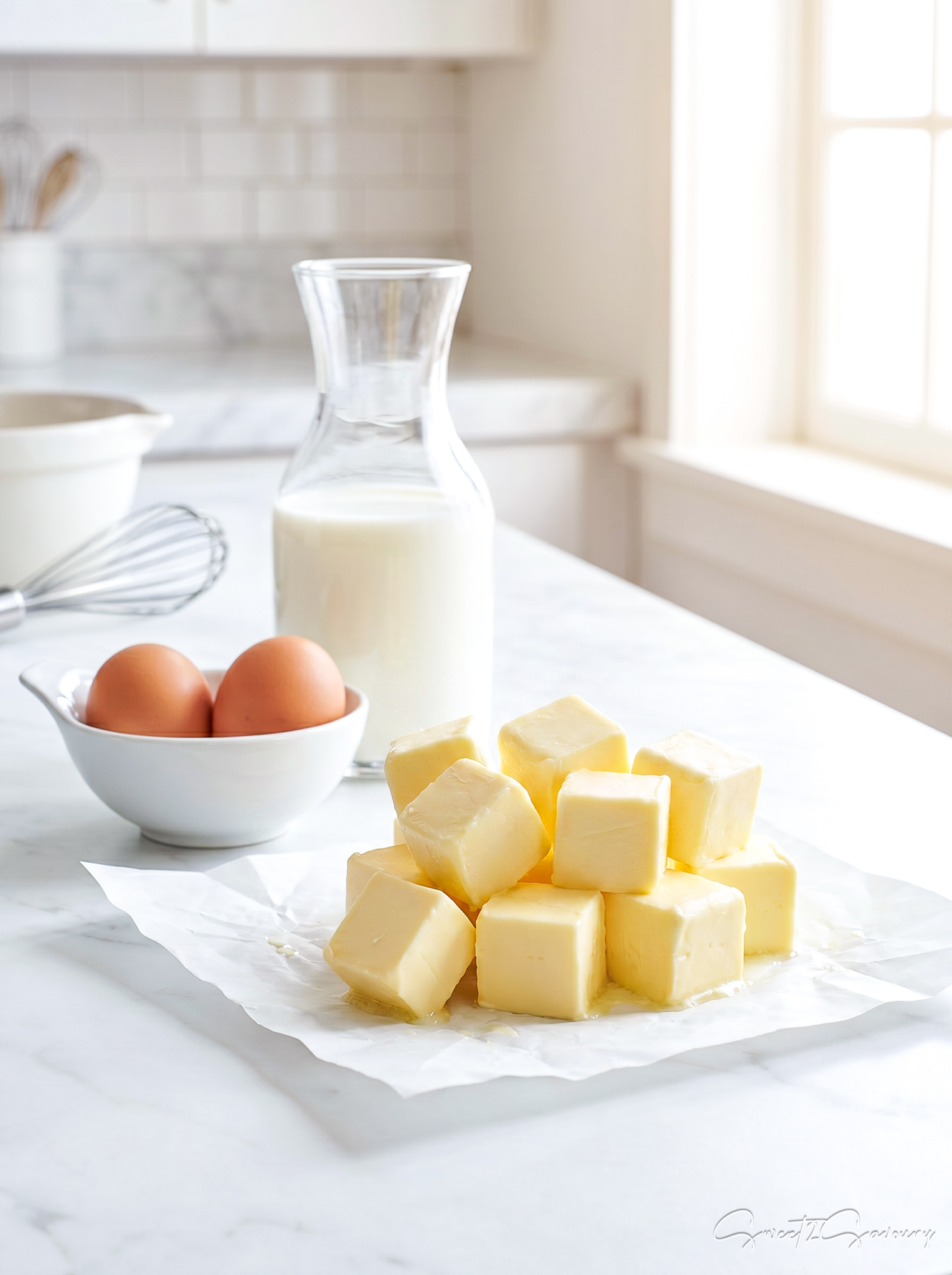
We have all been there. You have your apron on, your flour measured, and your oven preheating, only to read the recipe and see those dreaded words: “Butter and eggs, at room temperature.”
If your dairy is still sitting in the fridge, your baking plans don’t have to be ruined! Using room-temperature ingredients is crucial for creating smooth, perfectly emulsified batters and doughs. Cold ingredients will cause your butter to seize up, leaving you with lumpy cakes and dense breads.
If you forgot to set things out a few hours ahead of time, try these quick kitchen tricks to speed up the process safely!
How to Soften Butter in a Flash
Butter is notoriously finicky. If it is too cold, it won’t cream properly with your sugar. If it is too melted, your cookies will spread flat and your cakes will be heavy.
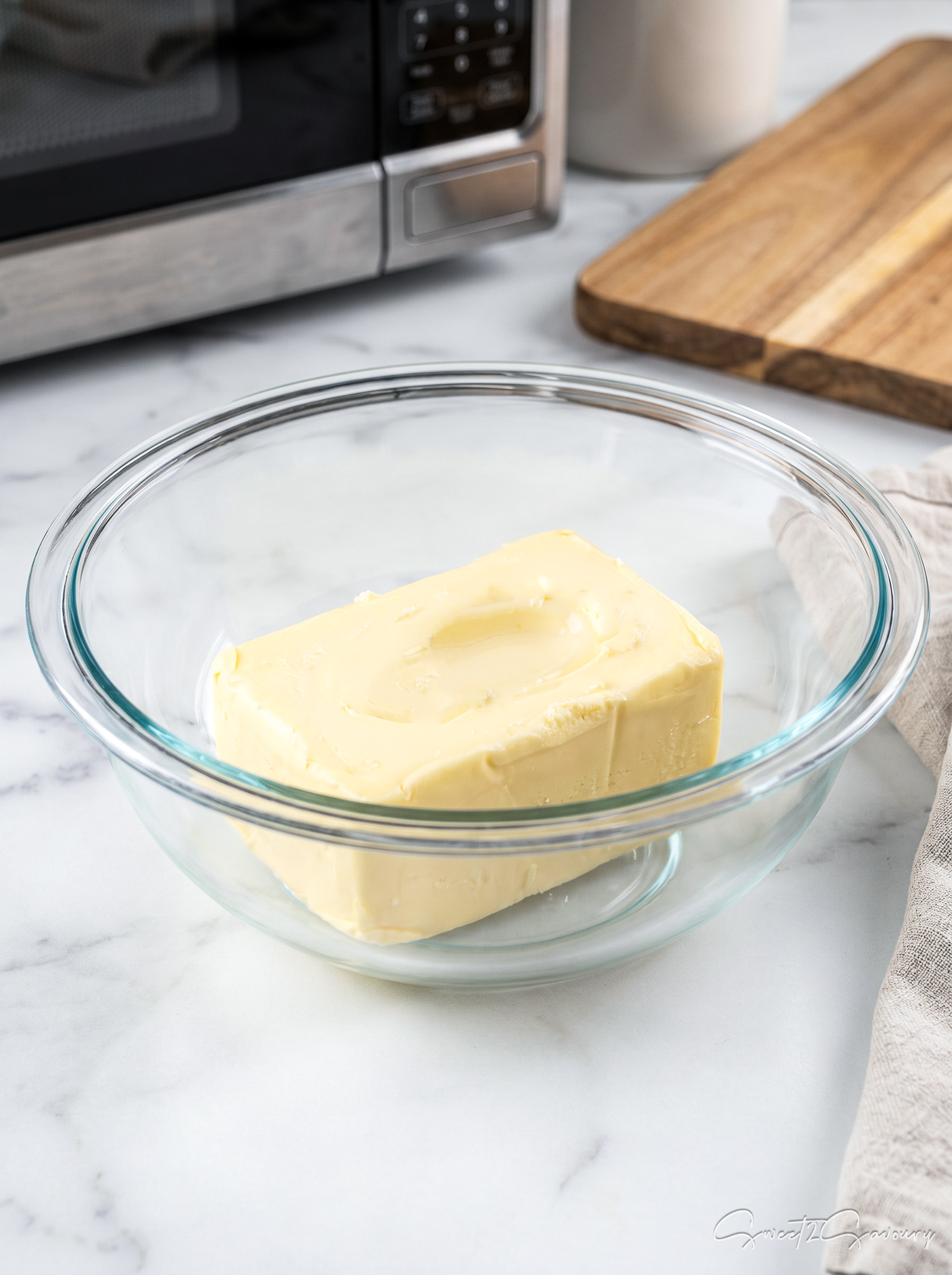
The Microwave Method:
- Unwrap your butter completely and cut the amount you need into cubes. Place the butter in a microwave-safe bowl.
- If your microwave has an “Inverter Turbo Defrost” or “Melt/Soften” feature, use it!
- If not, use the standard setting but heat the butter in short, 10 to 15-second bursts.
- Check it after every burst. It is ready when you can easily press your finger into it, but it still holds its shape.
Do not look away! If your butter melts into a yellow liquid where the fat and milk solids separate, do not use it for baking! You will need to start over with a fresh stick. (But don’t throw it out—save that melted butter for cooking savoury dishes!)
The Quick Trick for Room Temperature Eggs
Cold eggs added to a room-temperature batter will instantly chill the fat, causing your batter to curdle and separate a little.
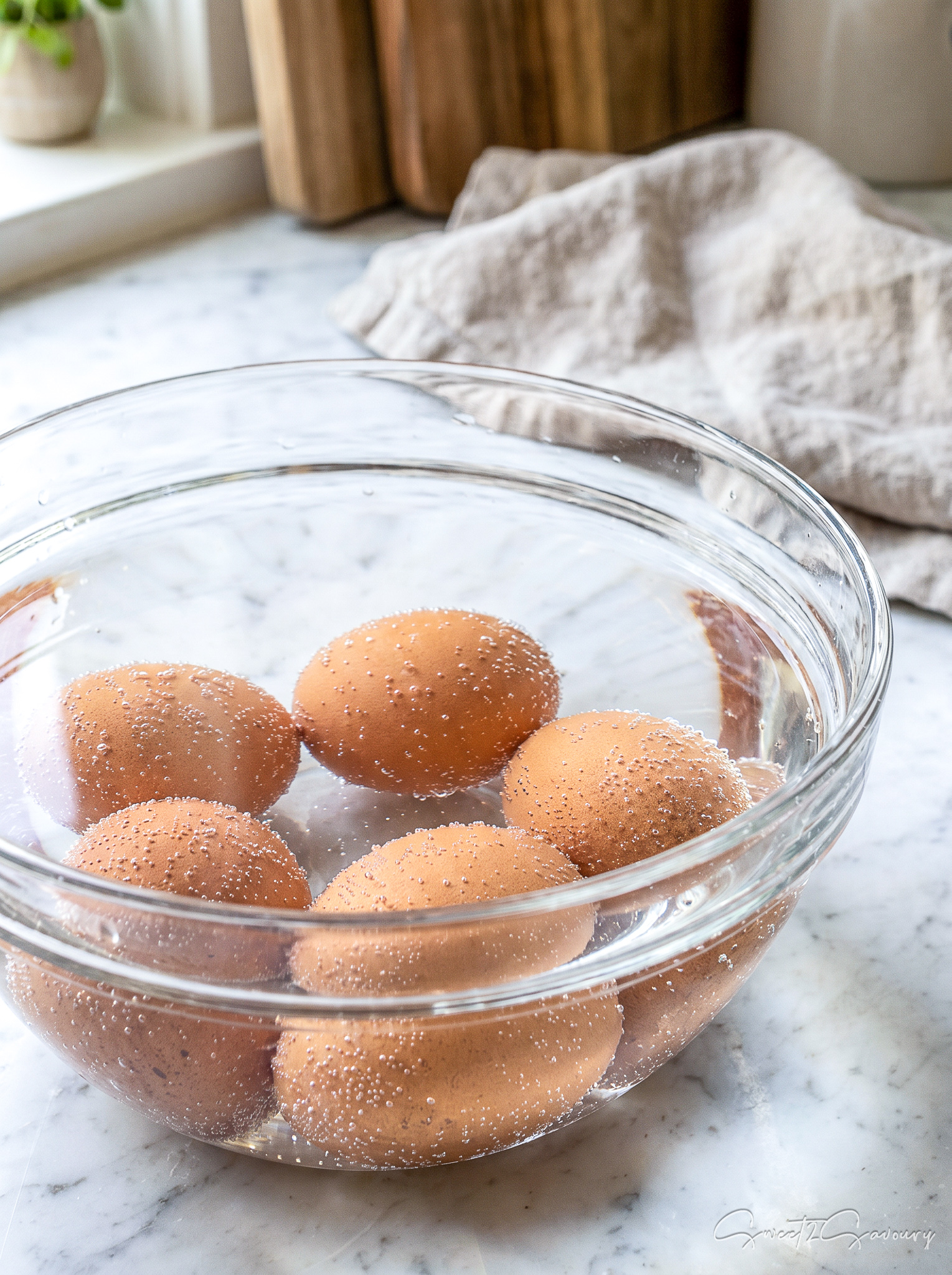
The Hot Water Bath:
- Place your whole, uncracked eggs into a medium bowl.
- Fill the bowl with warm (not boiling hot!) tap water.
- Let the eggs sit for 10–15 minutes, changing the water halfway through if they still feel cold.
- Dry them off with a towel before cracking them so water doesn’t drip into your batter.
Warming Milk, Cream, or Buttermilk
When making yeast doughs or delicate cakes, cold milk can stunt yeast growth or cause the batter to seize.
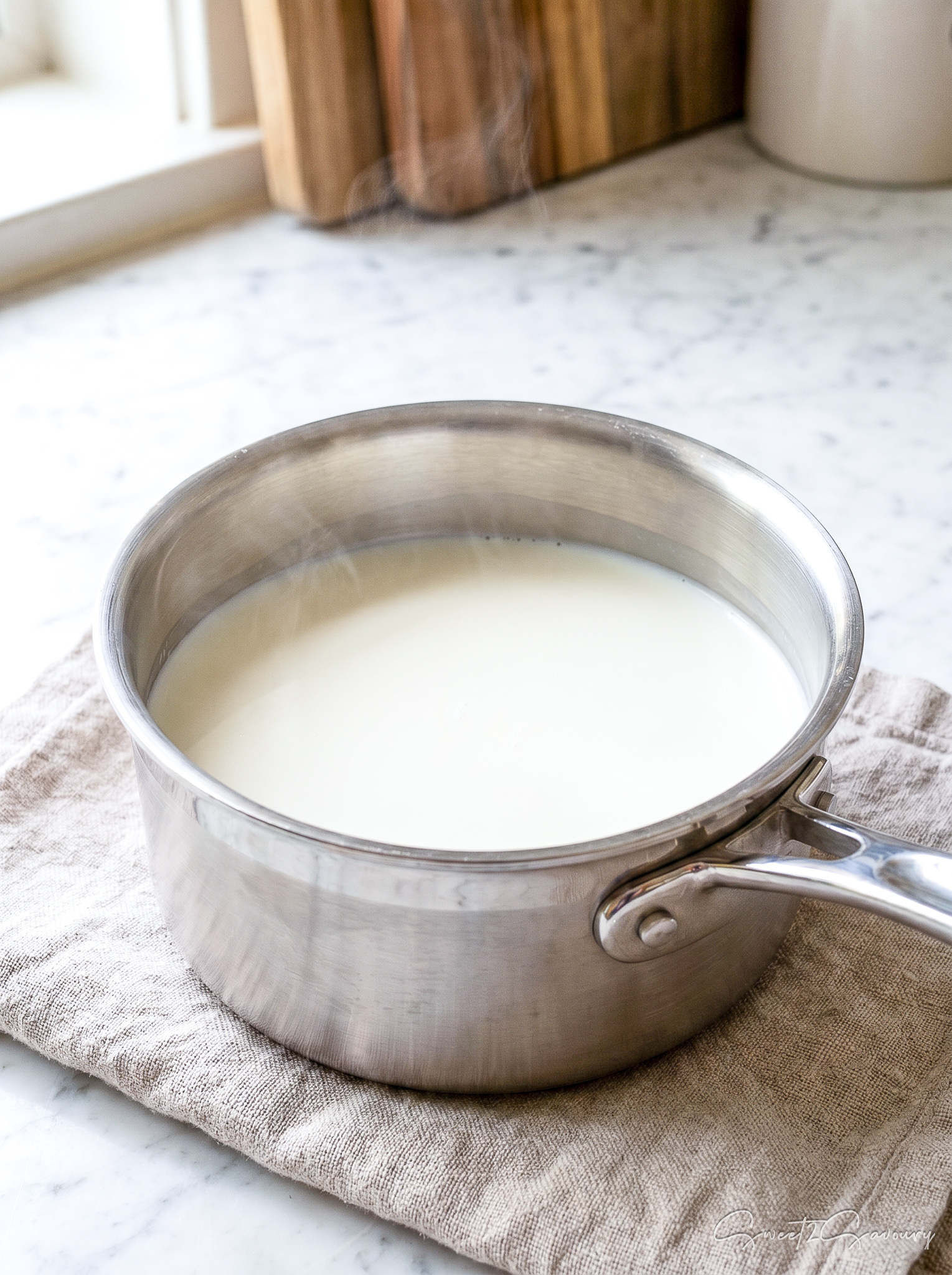
The Gentle Heat Method:
- Pour your required amount of milk, cream, or buttermilk into a microwave-safe measuring cup.
- Microwave on high for 15 to 20 seconds.
- Stir the liquid to distribute the heat, and dip a clean finger in to test it. It should feel comfortably lukewarm, like baby formula.
- Need it faster? You can also warm the milk in a small saucepan over low heat, stirring constantly until it’s just warm to the touch and is heated but not boiling.
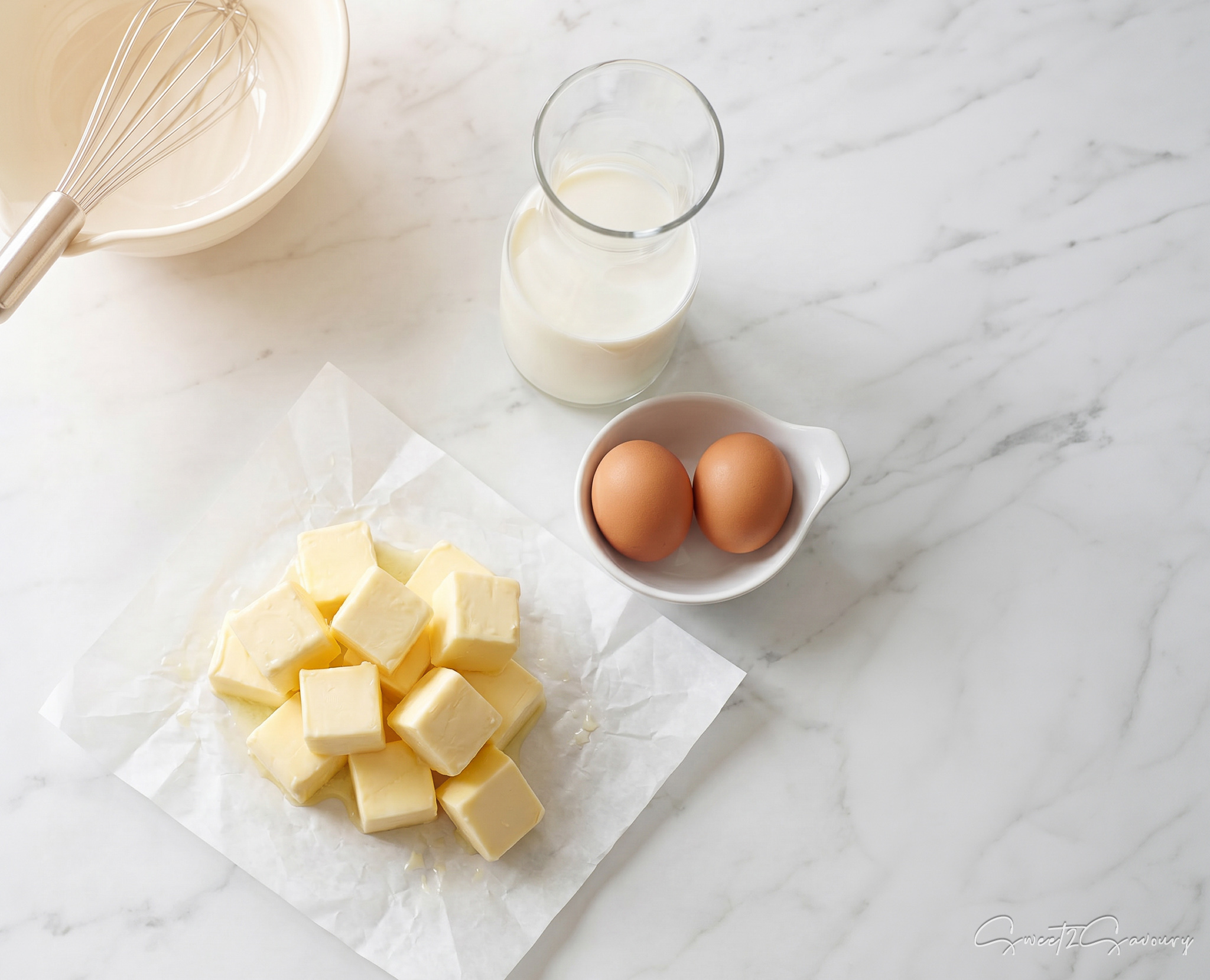
💡Pro-Tips for Picture-Perfect Results
- The Slice & Dice Hack: If you are terrified of accidentally melting your butter in the microwave, just take it straight from the fridge, unwrap it, and cut it into very small cubes. Spread the cubes out on a plate. The smaller pieces will come to room temperature on the counter in about 15 minutes!
- The “Glass Bowl” Trick for Butter: Pour boiling water into a large glass bowl or measuring cup. Let it sit for 2 minutes to heat the glass, then dump the water out. Quickly invert the hot glass bowl over your cold stick of butter on the counter. The residual heat trapped under the glass will soften the butter in minutes without melting it!
- Frosting Perfection: Since you already know how to get your butter perfectly soft, you are officially ready to make flawless buttercream! If you are ever colouring your frosting for cake decorating or piping beautiful floral designs, remember that starting with properly softened, smoothly whipped butter ensures your food colouring blends flawlessly without streaks.