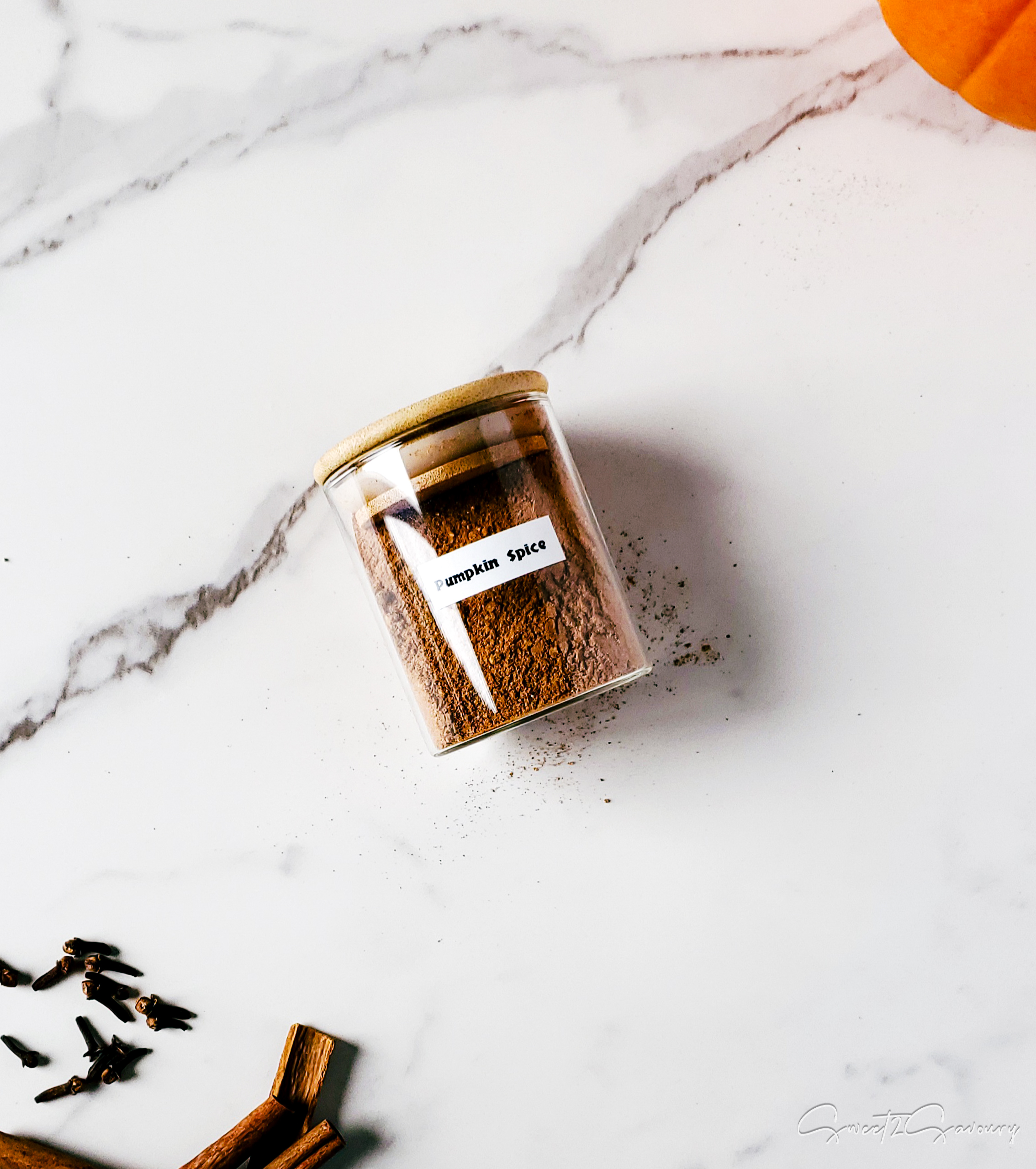
Traditional German Easter Bread (Hefezopf) with Raisins & Rum
This post may contain affiliate links, meaning I may earn a commission if you purchase through my links. This helps keep my content free. You can read my full disclosure here. Thank you so much for your support! 💗
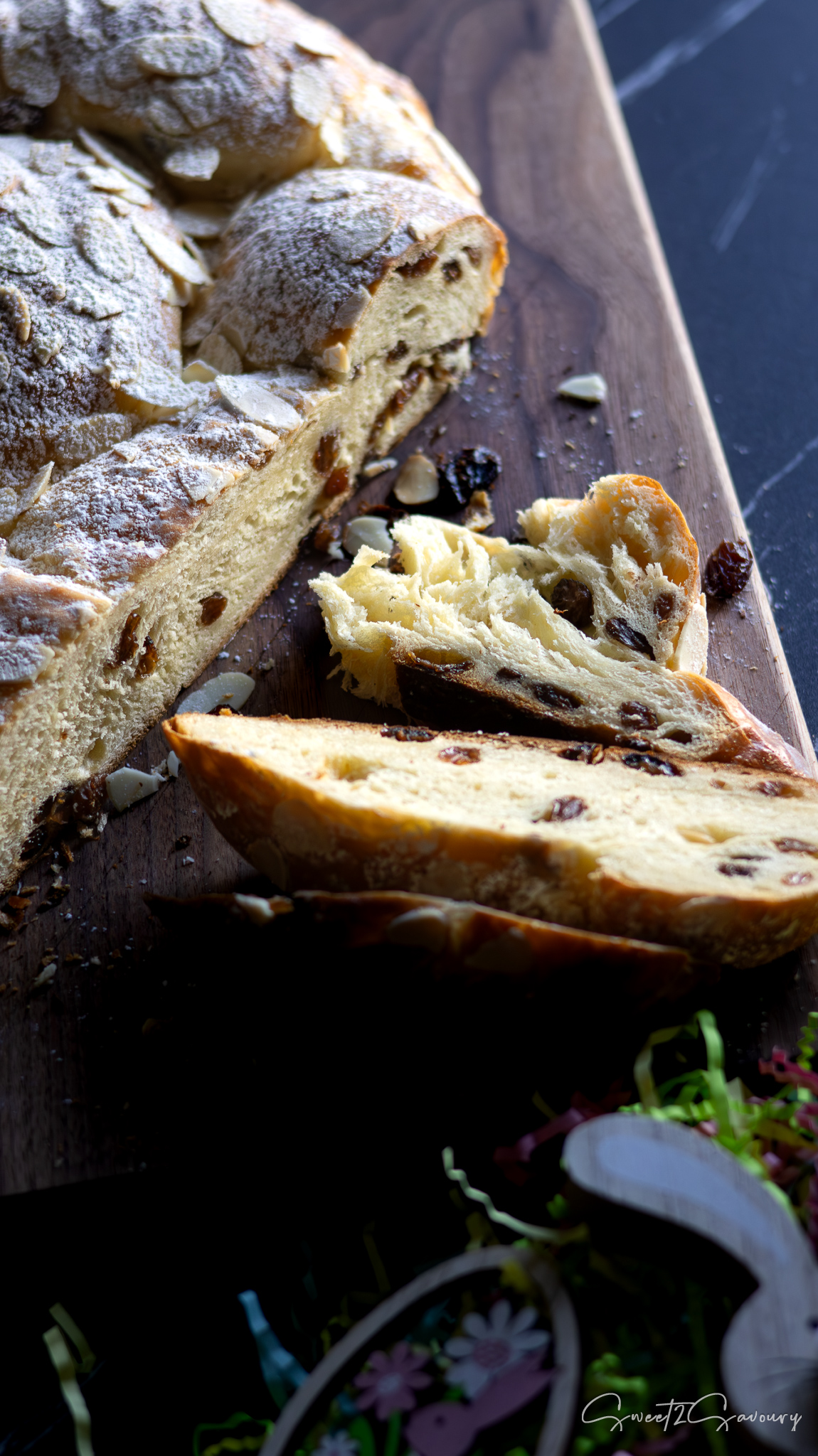
Fluffy, golden, and lightly sweet—this traditional German Easter Bread (known as Hefezopf) is the ultimate brunch centrepiece! Made with an enriched yeast dough generously filled with rum-soaked raisins and topped with toasted sliced almonds, every bite evokes warmth and tradition.
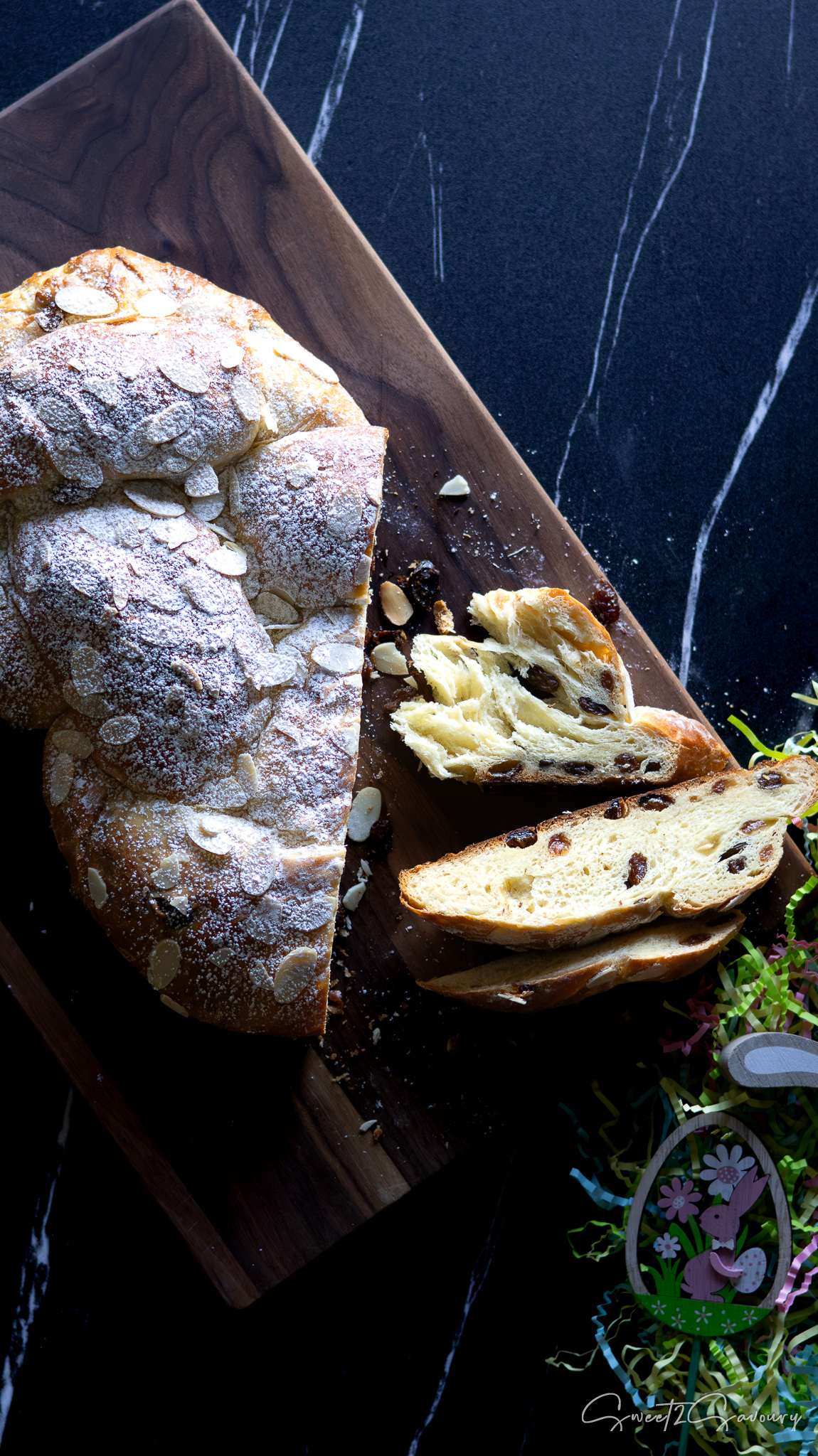
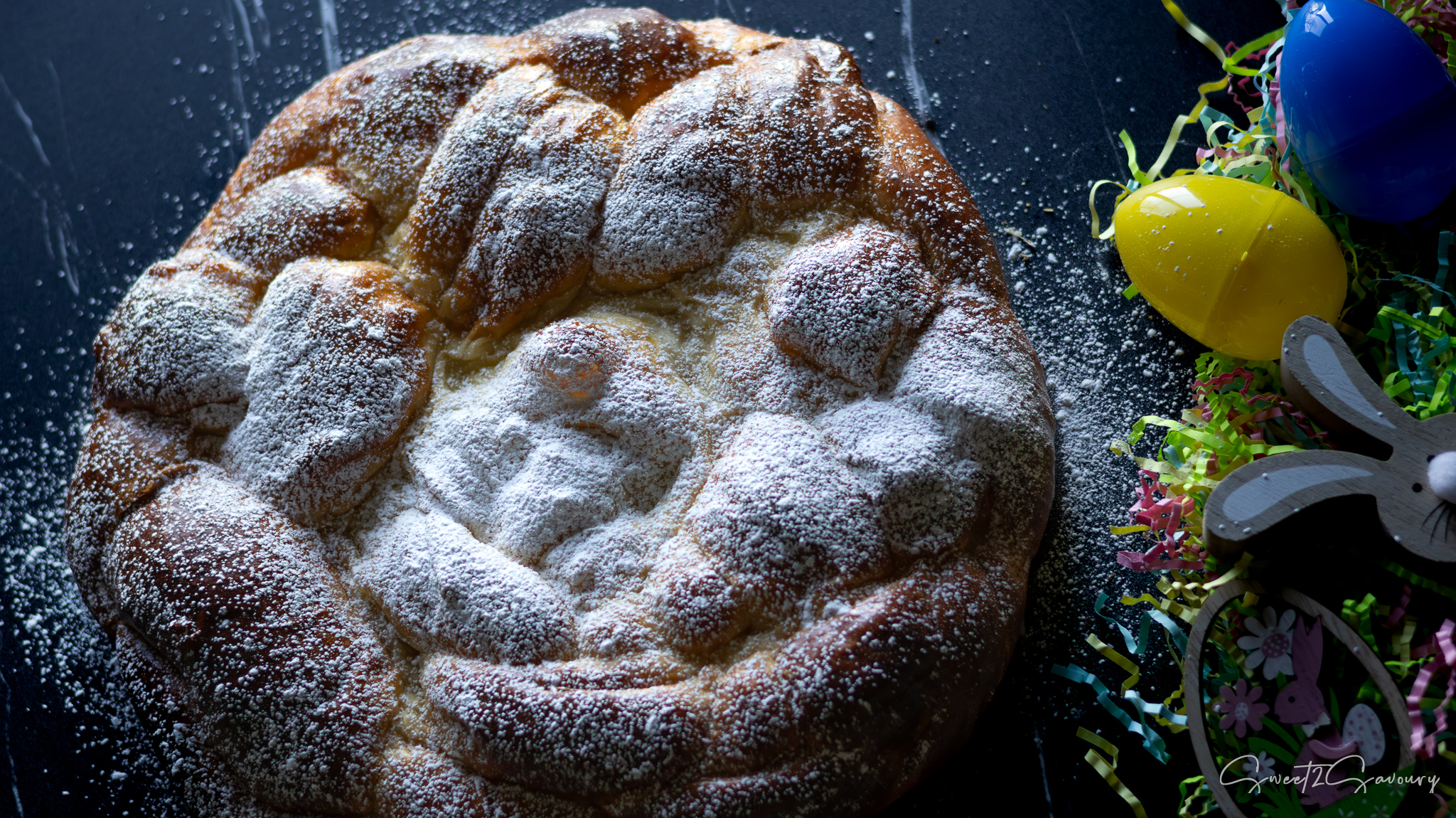
Growing up in Germany, baking was the magic of the holidays. My mother made sure our kitchen was always filled with the scent of butter, yeast, and sugar. This braided bread is a playful nod to those childhood memories, bringing authentic European baking right to your Canadian (or global!) kitchen. Serve it for Easter brunch, or simply enjoy a slice with your afternoon coffee.
Why You’ll Love This Recipe
- Authentic Flavour: Enriched with butter, eggs, and a splash of dark rum for that true European bakery taste.
- Make-Ahead Friendly: You can prep and braid the dough the night before, then bake it fresh the next morning!
- Customizable: Not a fan of raisins? Swap them out for dried cranberries, chopped apricots, or bake it completely plain.
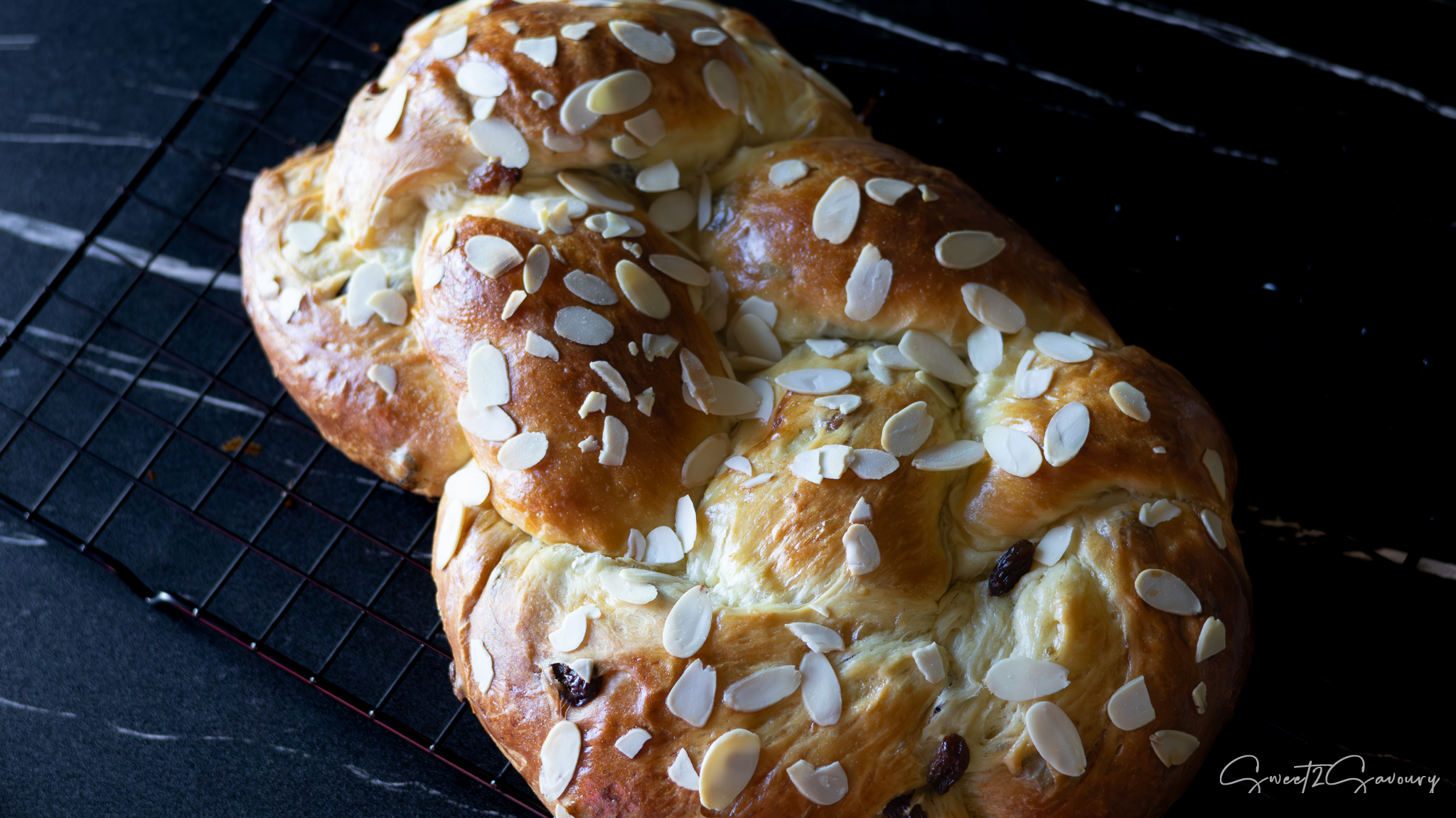
- The Perfect Centrepiece: That shiny, golden, almond-crusted braid is basically edible holiday decor.
Ingredients You Will Need
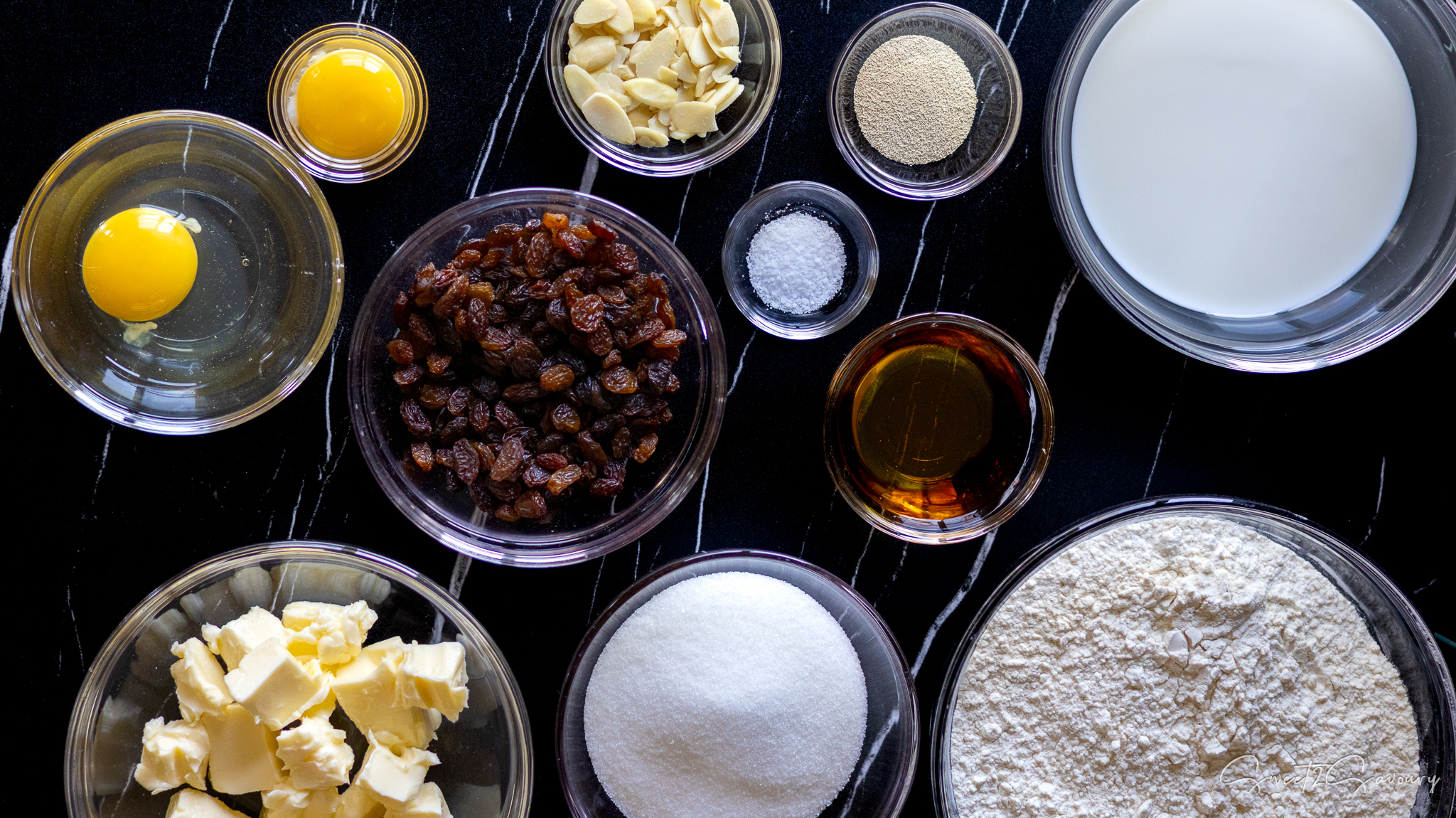
You only need a few pantry staples to bring this beautiful Hefezopf (which translates to “yeast braid”) to life.
For the Enriched Dough:
- Bread Flour: Provides the necessary gluten structure for a soft, chewy, and tall loaf.
- Milk & Instant Yeast: Warm milk (between 120°F – 130°F) creates the perfect environment for the yeast to thrive and rise quickly.
- White Sugar & Salt: Feeds the yeast and balances the sweetness.
- Eggs: You will need 1 whole egg and 1 egg yolk to enrich the dough. (Save that leftover egg white for the glaze!)
- Unsalted Butter: Softened to room temperature and cubed. We knead this in at the very end for an unbelievably tender, brioche-like texture.
- Dark Rum: Optional, but highly recommended for depth of flavour. (You can substitute with vanilla extract or orange zest).
- Raisins: Sultanas or currants work perfectly to add bursts of natural sweetness.
For the Glaze & Topping:
- Egg Wash: Your leftover egg white, plus 1 whole egg and a splash of milk.
- Sliced Almonds: For that classic, crunchy, bakery-style finish.
How to Make German Easter Bread (Step-by-Step)
Phase 1: Activate the Yeast
- Warm the Milk: Heat your milk in the microwave (about 1.5 minutes) until it reaches 140°F to 145°F.
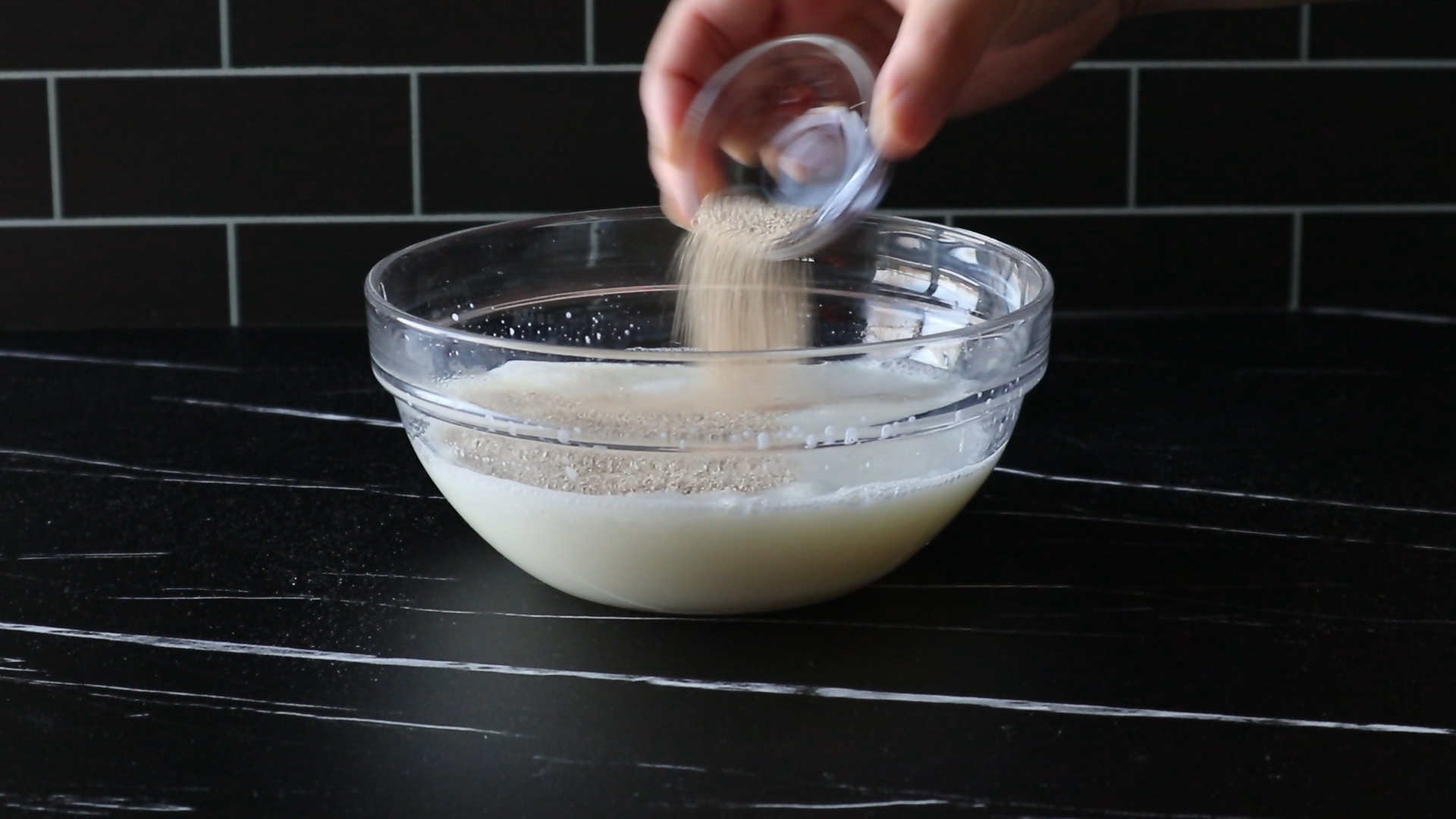
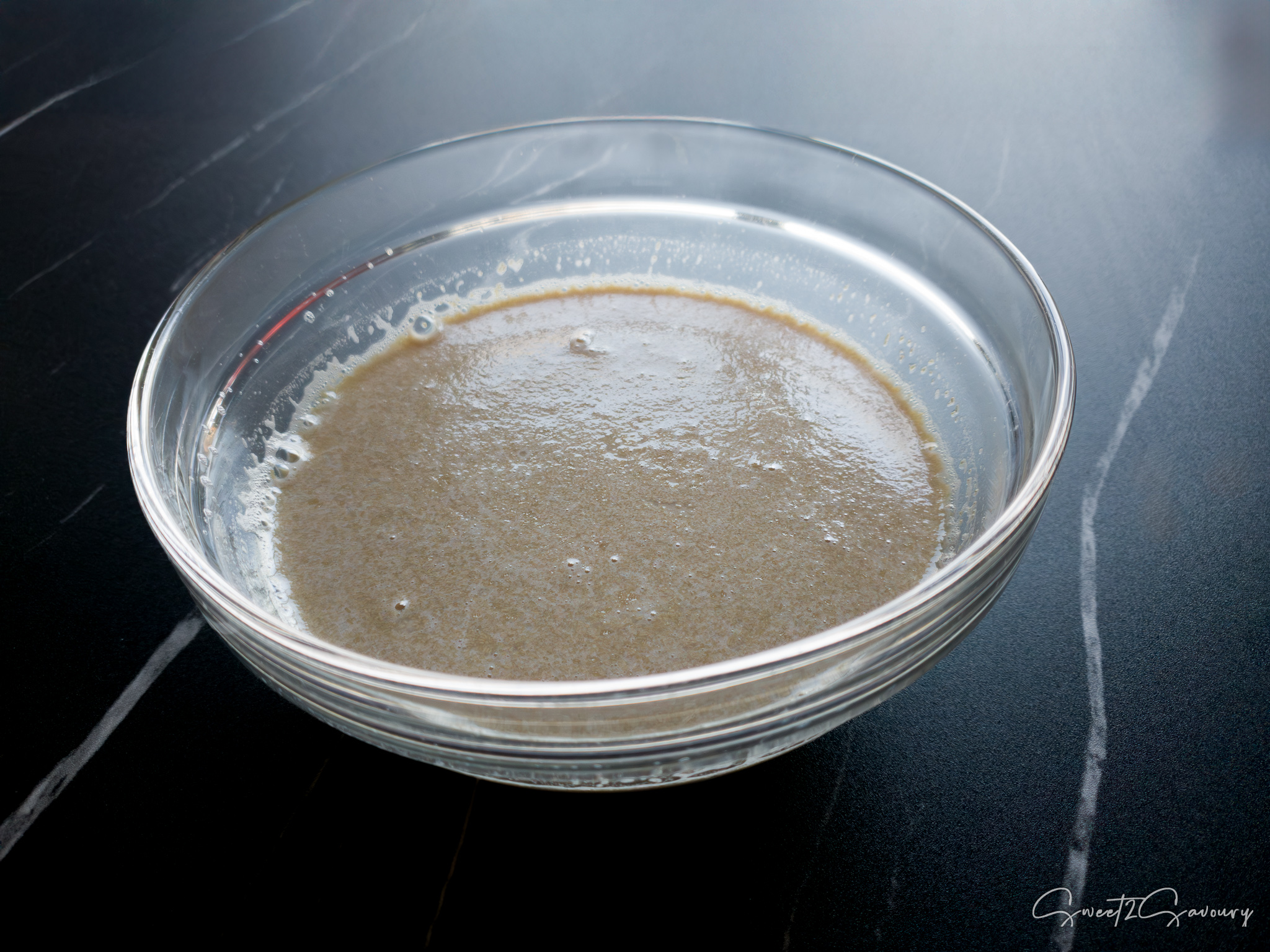
- Feed the Yeast: Stir the white sugar into the hot milk. This will drop the temperature to the perfect “yeast zone” (120°F to 130°F). Stir in the instant yeast and let it sit for 5 minutes until it becomes foamy. If it doesn’t foam, your yeast is dead—start over with new storebought yeast!
Phase 2: Mix and Knead the Dough
- Combine the Dry: In the bowl of your stand mixer, whisk together the sifted bread flour and salt.
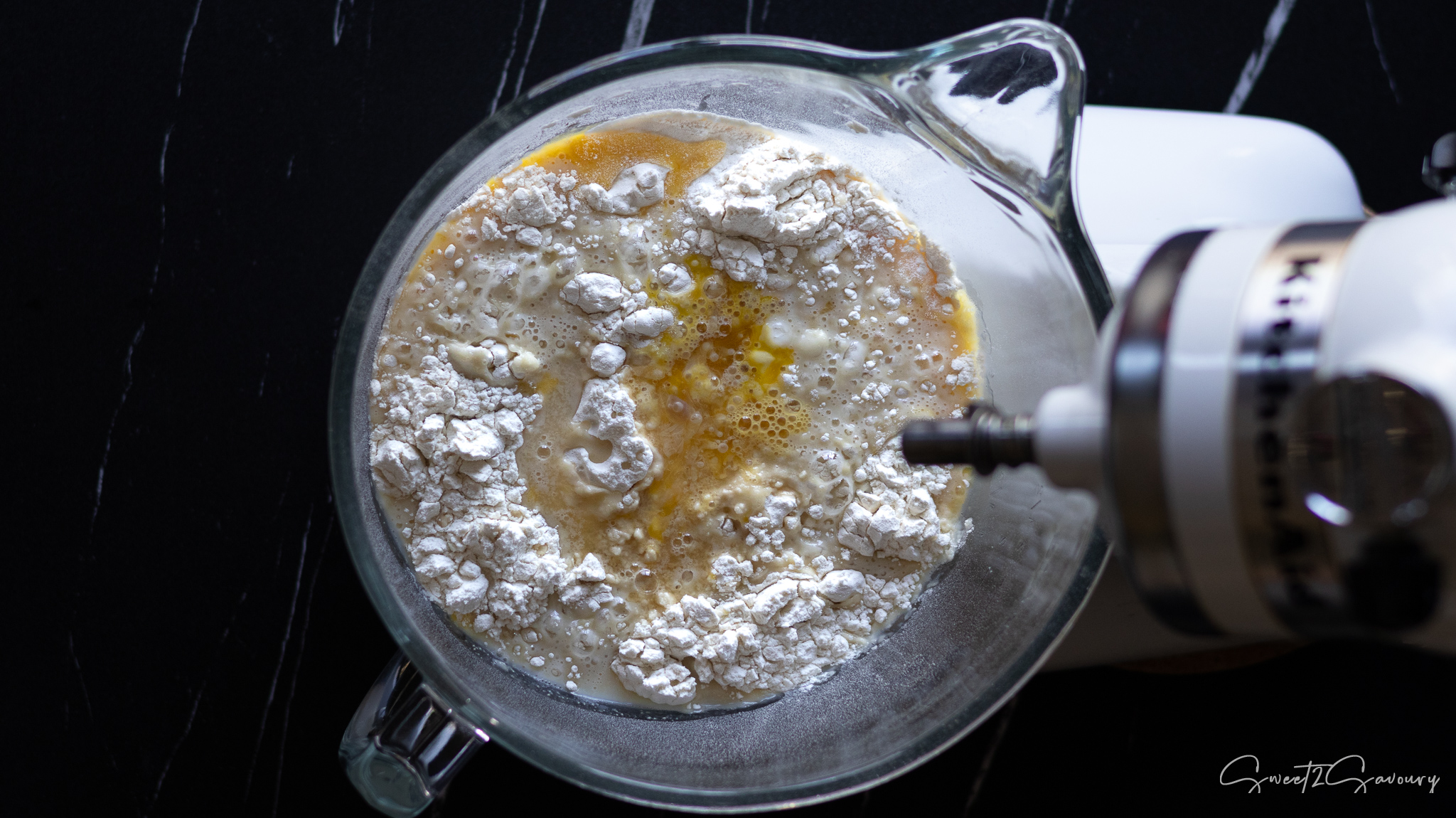
- Mix the Wet: Add the foamy yeast mixture, whole egg, egg yolk, and dark rum to the flour. Using a dough hook, mix on low speed until a rough ball forms, then increase to medium for 2 minutes.
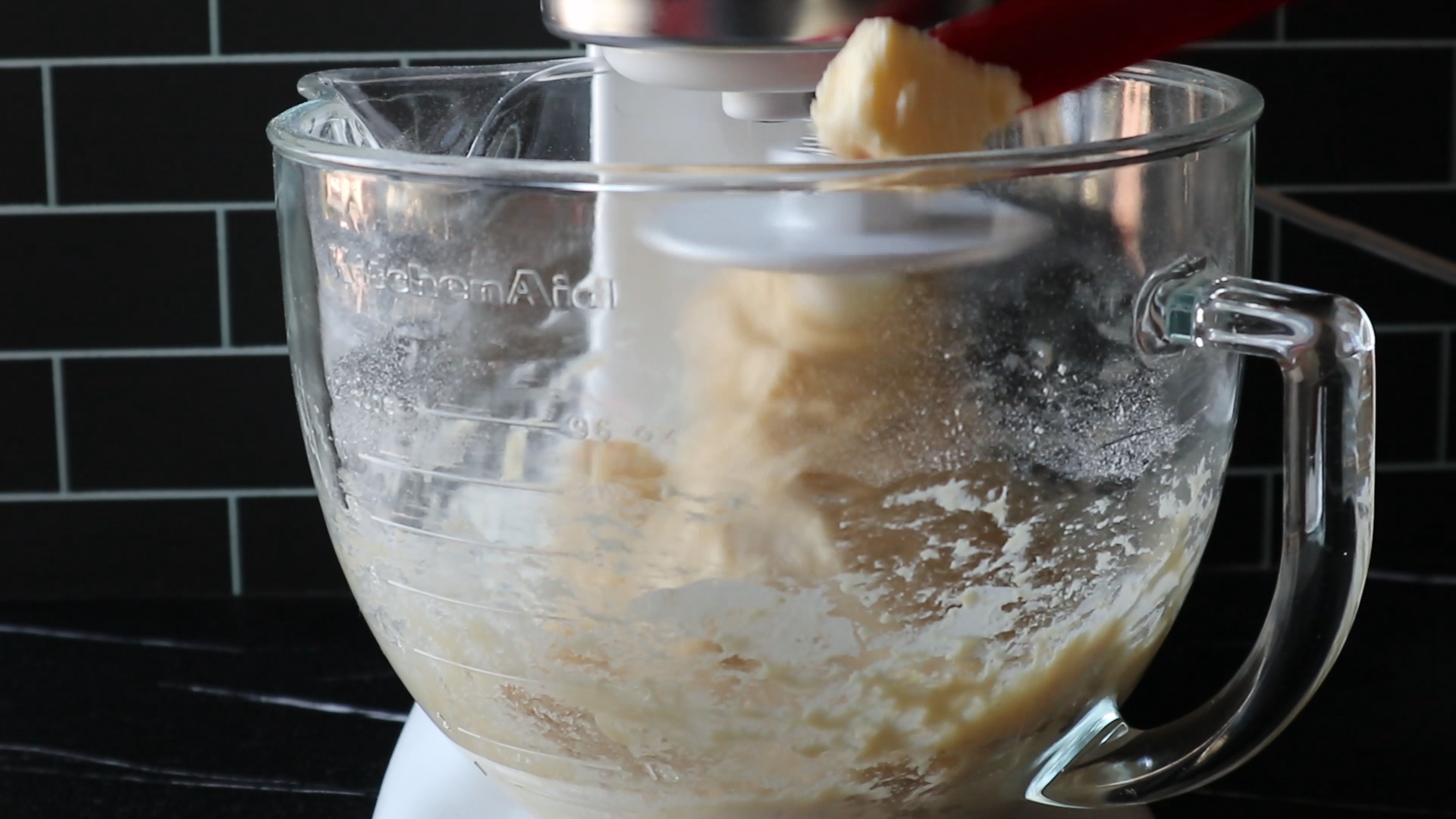
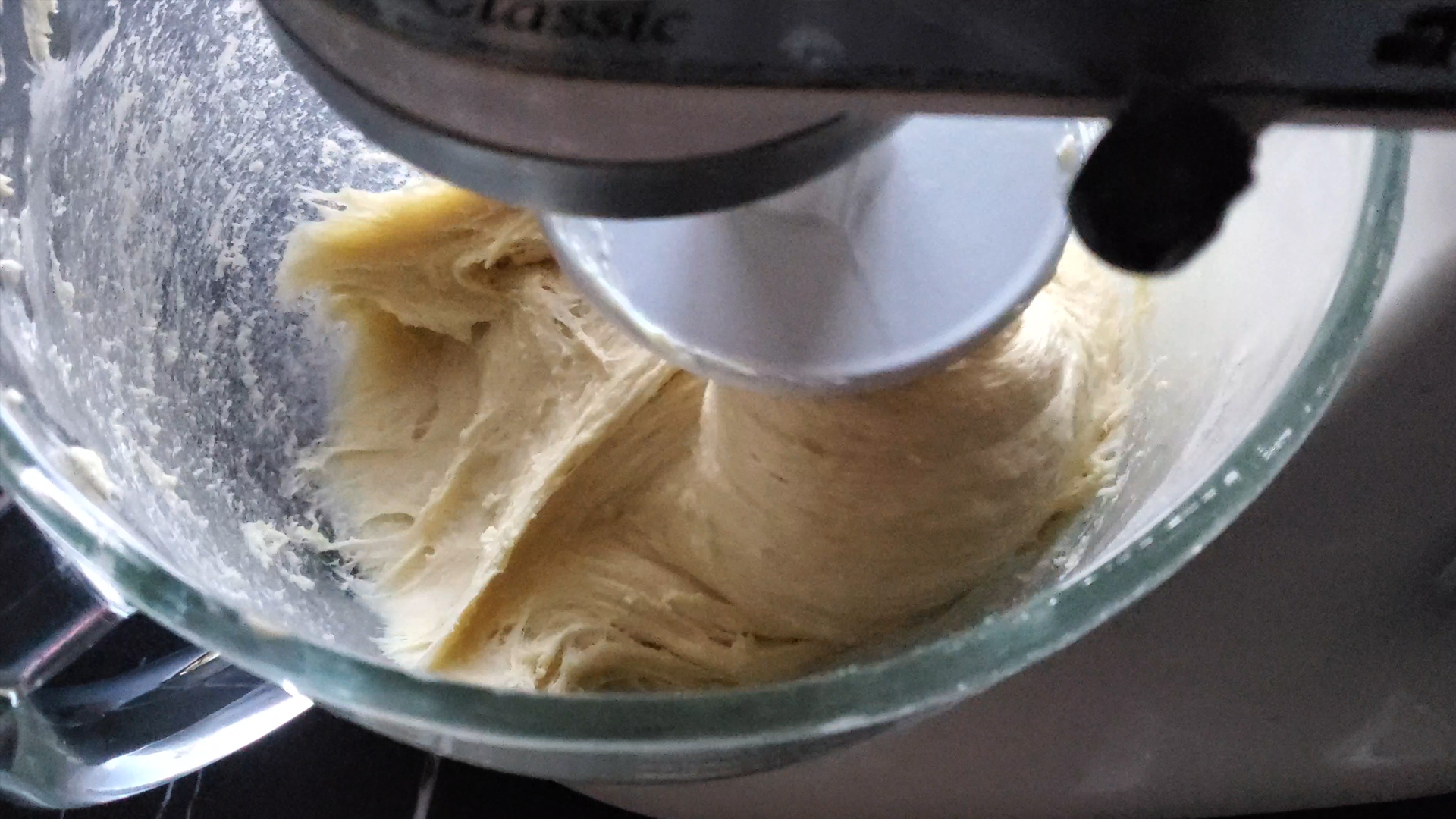
- The Butter Secret: With the mixer running on medium, add the softened butter one cube at a time, waiting until each is fully absorbed before adding the next. Knead for 5 to 7 minutes until the dough is smooth, elastic, and pulls away from the bowl.
Phase 3: Fold and First Rise
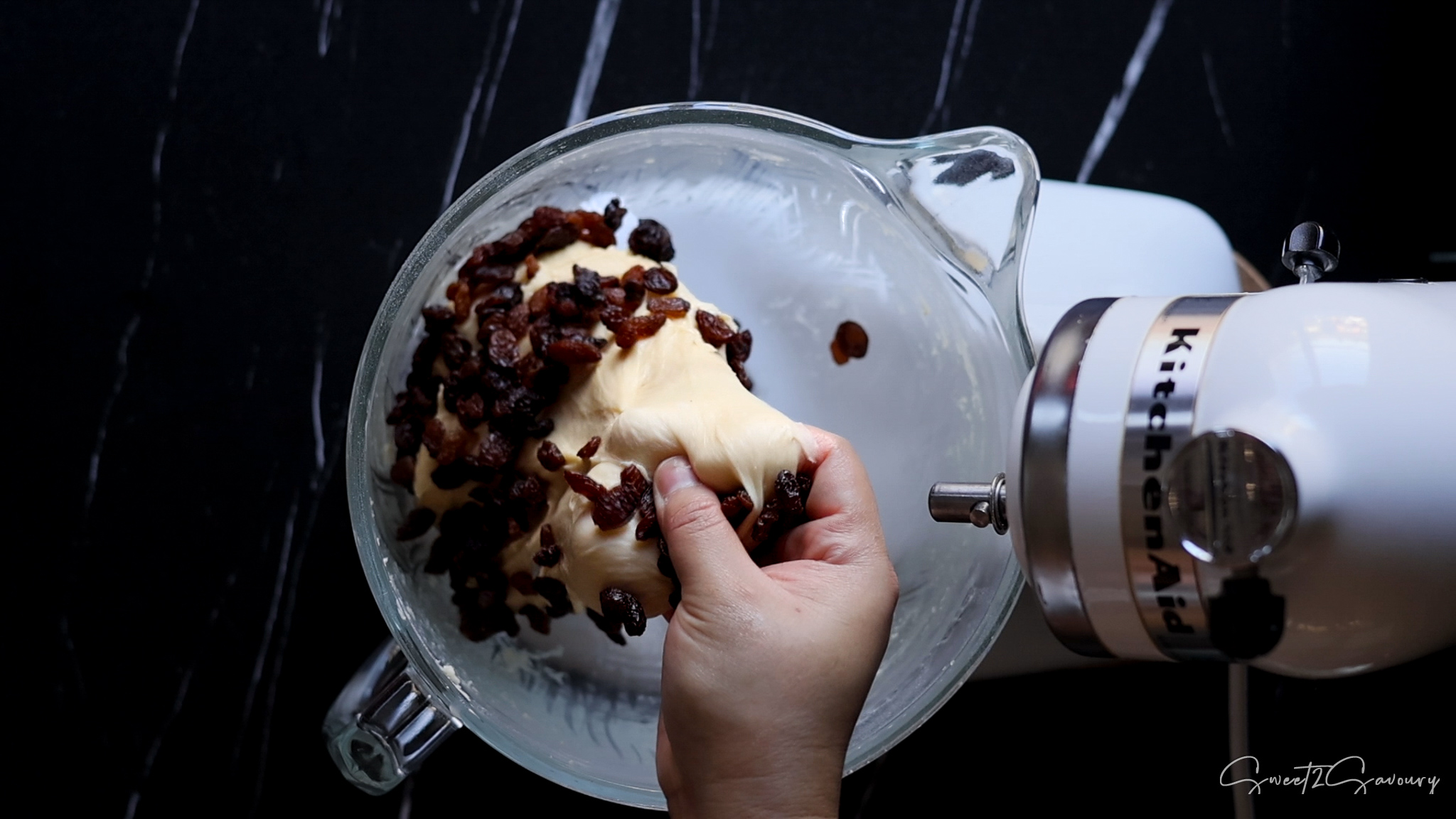
- Add the Fruit: Gently fold the raisins into the dough by hand. (Using the mixer will crush the raisins and turn your dough grey!)
- Rise: Cover the bowl with plastic wrap and a clean hand towel. Let it rise in a warm spot until doubled in size (about 1 to 2 hours).
Phase 4: Braid the Hefezopf
- Divide: Punch down the dough and weigh it. Divide the dough into equal portions (3 portions for a standard braid, or 4 portions if you want a thicker, more intricate loaf).
- Roll: Roll each portion into a long rope, about 15 inches long.
- Braid: Pinch the tops of the ropes together, braid them tightly, and pinch the bottom ends to seal. Tuck the ends underneath for a clean look.

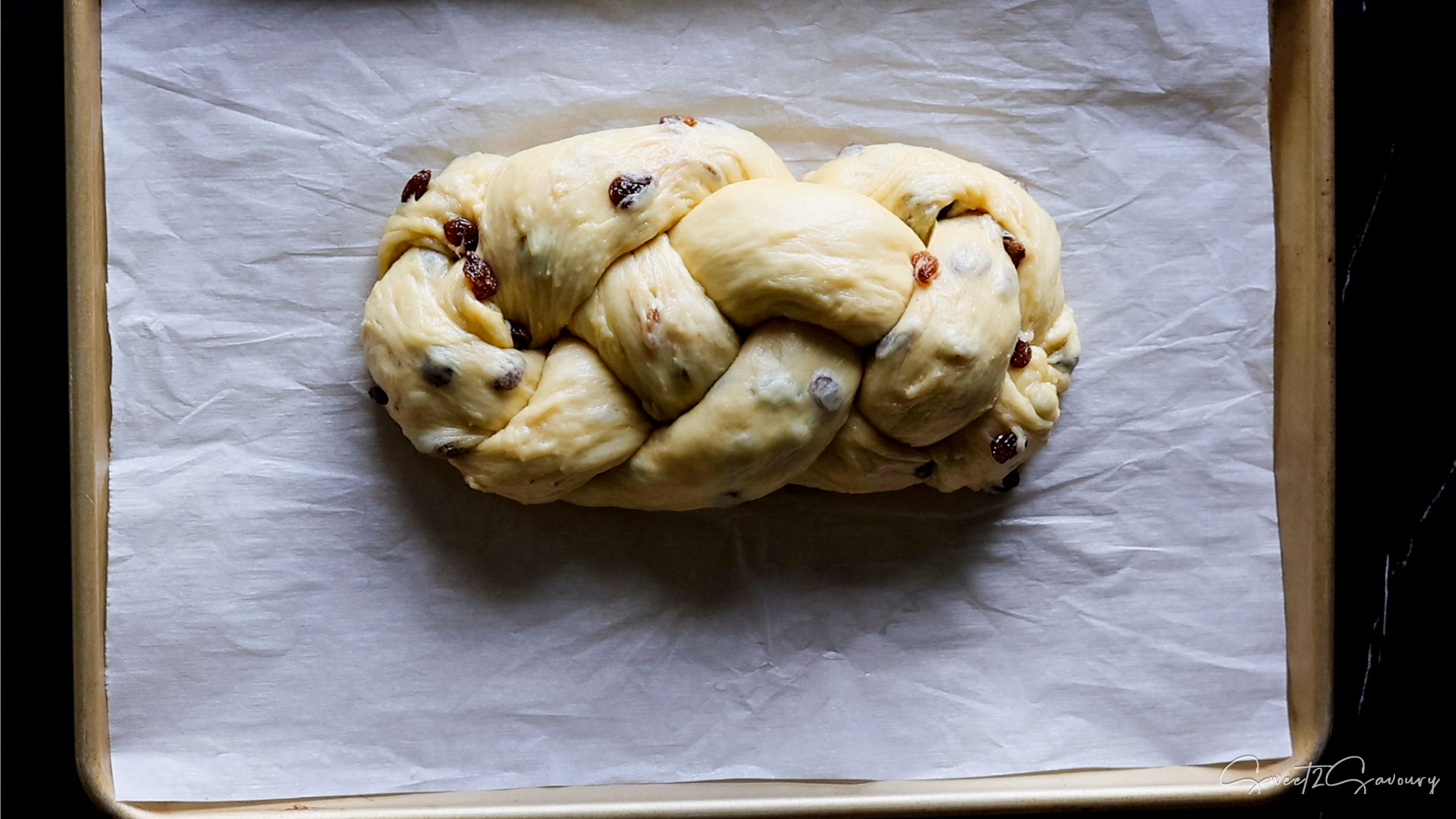
There are various braiding techniques available, so you can choose one that you feel most comfortable with. However, if you’re interested in trying a 4-strand braid, I found a great tutorial online that you can watch here to learn how to do it.
Phase 5: Second Rise, Glaze, and Bake
- Rise Again: Carefully transfer the braid to a parchment-lined baking sheet. Cover lightly with plastic wrap or a clean hand towel and let it rise for 45 minutes until puffy.
- Glaze: Preheat your oven to 350°F (177°C). Whisk your leftover egg white, 1 whole egg, and 1 tbsp of milk. Brush this generously all over the risen loaf and sprinkle heavily with sliced almonds (or amount to your liking).
- Bake: Bake for 15 minutes. Rotate the pan 180° for even colouring. (If the bread is getting too dark, tent it loosely with aluminum foil). Bake for another 10 minutes until golden and hollow-sounding when tapped. Let cool before slicing!
💡Pro Tips for the Best Yeast Bread
- The Butter Technique: Why do we add the butter at the very end of kneading? It’s a French brioche technique! It coats the gluten strands rather than interrupting them, resulting in a much softer, flakier, and more tender crumb.
- Soak Your Raisins: For a bolder, richer flavour, soak your raisins in the dark rum for an hour before folding them into the dough!
- Temperature Matters: Make sure your butter is truly room temperature (soft enough to indent with your finger, but not melting) so it incorporates seamlessly into the dough.
Complete Your Easter Brunch Menu
Looking to build the ultimate holiday brunch spread? Pair a slice of this sweet German bread with a few of my other sweet treats:
- German Waffles (Less Sweet): Keep the German brunch theme going with these authentic, crispy waffles!
- Easter Carrot Cupcakes with Chocolate Eggs and Nest: Cupcakes with edible chocolate nest and eggs. What more could you ask for?
Frequently Asked Questions
What type of raisins are best for Hefezopf? You can use Sultanas, standard dark raisins, or Zante currants. Sultanas (which I used here) are slightly sweeter and softer. Just ensure your dried fruit is fresh and plump, not hard and dry.
Can I make this dough ahead of time?
Yes! This is a fantastic make-ahead recipe. You can complete all the steps up to the braiding process. Once the bread is braided on the baking sheet, cover it with a clean hand towel and place it in the refrigerator overnight. The next morning, let it sit on the counter for 1 to 2 hours to reach room temperature, then finish its second rise before baking.
I don’t drink alcohol. Can I leave the rum out?
Absolutely. You can omit the rum entirely, or substitute it with 1 teaspoon of pure vanilla extract, 1 teaspoon of rum extract, or even a tablespoon of fresh lemon or orange zest to brighten up the dough.
Pin it for later
Traditional German Easter Bread (Hefezopf) with Raisins & Rum
Ingredients
- 3¾ cups Bread flour sifted
- ½ teaspoon salt Kosher or Sea
- 1 cup whole Milk
- ¾ cup white sugar
- 2¼ teaspoon instant yeast
- 1 large egg
- 1 egg yolk save the egg white for later
- 3 Tablespoons dark Rum or vanilla extract
- ⅔ cups unsalted butter cubed and softened to room temperature
- 1 cup raisins any kind such as Sultanas or Currants
- sliced almonds

Method
- Activate the Yeast: Heat the milk in the microwave for about 1.5 minutes until it reaches 140°F–145°F. Stir in the white sugar, which will drop the temperature to the ideal 120°F–130°F range. Stir in the instant yeast and let it sit for 5 minutes until foamy. (If it doesn't foam, start over with new store-bought yeast!)
- Mix the Dough: In the bowl of a stand mixer, whisk together the bread flour and salt. Pour in the foamy yeast mixture, 1 whole egg, 1 egg yolk, and the dark rum. Using a dough hook, mix on low speed until a rough ball forms, then increase to medium speed for 2 minutes.
- Knead in the Butter: With the mixer running on medium speed, add the softened butter one cube at a time, waiting until each cube is fully incorporated before adding the next. Knead for 5 to 7 minutes until the dough is smooth, elastic, and pulls away from the sides of the bowl.
- Add Raisins & First Rise: Remove the dough from the mixer and gently fold in the raisins by hand to avoid crushing them. Cover the bowl with plastic wrap and a warm kitchen towel. Let the dough rise in a warm, draft-free spot for 1 to 2 hours, or until doubled in size.
- Shape and Braid: Punch down the risen dough and divide it into 3 or 4 equal portions (depending on your braiding preference). Roll each portion into a 15-inch long rope. Pinch the top ends of the ropes together, braid them tightly, and pinch the bottom ends to seal. Tuck both ends slightly underneath the loaf for a clean finish.
- Second Rise: Carefully transfer the braided loaf to a parchment-lined baking sheet. Cover it lightly with a towel and let it rise for 45 minutes until puffy. While the bread rises, preheat your oven to 350°F (177°C).
- Glaze & Decorate: In a small bowl, whisk together the leftover egg white, 1 whole egg, and 1 tablespoon of milk. Use a pastry brush to apply the egg wash generously all over the risen loaf. Sprinkle heavily with sliced almonds (or amount to your liking).
- Bake: Bake the bread for 15 minutes. Rotate the pan 180° to ensure even baking. (If the top is browning too quickly, loosely tent the loaf with aluminum foil). Bake for an additional 10 minutes, or until golden brown and hollow-sounding when tapped. Let cool on a wire rack for at least 15 minutes before slicing.