
The Best Soft & Chewy Coconut Oatmeal Cookies
This post may contain affiliate links, meaning I may earn a commission if you purchase through my links. This helps keep my content free. You can read my full disclosure here. Thank you so much for your support! 💗
There is absolutely nothing better than a kitchen that smells like warm cinnamon, toasted oats, and sweet butter. If you are looking for a comforting baking project, these Soft and Chewy Coconut Oatmeal Cookies will have your senses screaming “yuuum!”
Usually, when I pull out a bag of quick rolled oats, I stick to baking classic oatmeal raisin cookies. But recently, I realized I was entirely out of raisins! Instead of running to the store, I decided to get creative with my pantry staples. I swapped the raisins for unsweetened coconut flakes and replaced the traditional vanilla extract with rich rum extract! (It totally reminded me of rum and raisin ice cream!)

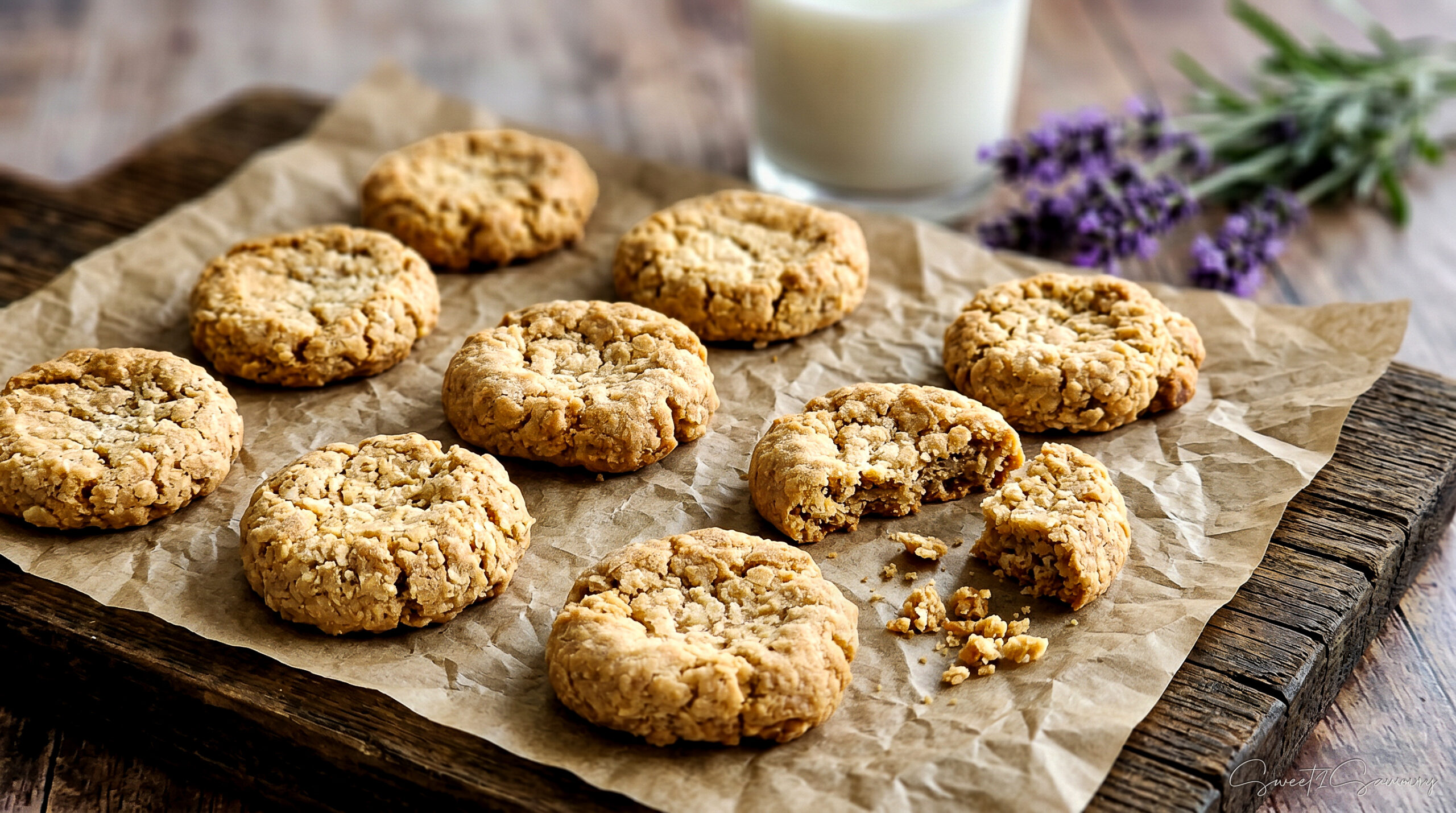
The result was an incredibly soft, thick, and chewy oatmeal cookie packed with great flavour. The coconut adds a beautiful, subtle chewiness that pairs perfectly with the warm cinnamon. These are incredibly easy to make, and you likely already have every ingredient sitting in your pantry right now!
Why You’ll Love This Recipe
- The Ultimate Chewy Texture: By chilling the butter-enriched dough before baking, these cookies bake up thick, soft, and perfectly chewy in the center.
- A Fun Flavour Twist: Swapping standard vanilla for rum extract and adding unsweetened coconut flakes elevates this classic cookie into something totally unique!
- Pantry Friendly: You only need 10 simple, everyday ingredients to pull these together!

Ingredients You Will Need
The Wet Ingredients:
- The Base: ¾ cup unsalted butter (softened to room temperature) and 1 large egg.
- The Sweetness: ¾ cup brown sugar (packed tightly into your measuring cup).
- The Flavour: 1 teaspoon of rum extract. (If you don’t have rum extract, vanilla extract works perfectly!)
The Dry Mix-Ins:
- The Texture: 1 ½ cups of rolled quick oats and ¾ cup of unsweetened coconut flakes. (See FAQ if using sweetened coconut!)
- The Flour: 1 cup all-purpose flour, sifted.
- The Spices & Leavening: 1 teaspoon ground cinnamon, ½ teaspoon baking soda, and ¼ teaspoon salt.

How to Make Coconut Oatmeal Cookies
Phase 1: Cream the Butter
- In the bowl of a stand mixer fitted with a paddle attachment (or using an electric hand mixer), cream the room-temperature butter and brown sugar on medium speed for 2 to 3 minutes until well combined.
- Scrape down the sides of the bowl. Reduce the speed to low and add the egg and rum extract.
- Increase the speed back to medium and whip for another 3 to 4 minutes until the mixture is beautifully light and fluffy.

Phase 2: Mix the Dough
- In a separate bowl, whisk together the sifted flour, cinnamon, baking soda, and salt.
- Add one-third of the flour mixture to the bowl and, with the paddle attachment, mix on low speed until just combined. Then, add the next third of the flour and repeat the process. Continue this until all the flour is incorporated. Be careful not to overmix, as this can make your cookies tough. Use a spatula to scrape down the sides of the bowl to ensure everything is mixed evenly.
- Now, add the coconut flakes and quick oats to the dough, mixing on low speed. Mix only until combined, as overmixing will result in a dense texture. The dough will be very thick.


Phase 3: Chill the Dough
Chilling is the secret to a thick cookie! If you prefer a thin, crispy cookie, skip this step.
- Scoop the dough out of the bowl, wrap it tightly in plastic wrap, and refrigerate for 1 hour (or 30 minutes in the freezer).

Phase 4: Scoop and Bake
- Preheat your oven to 350°F (177°C). Line 2 baking sheets with silicone baking mats or parchment paper.
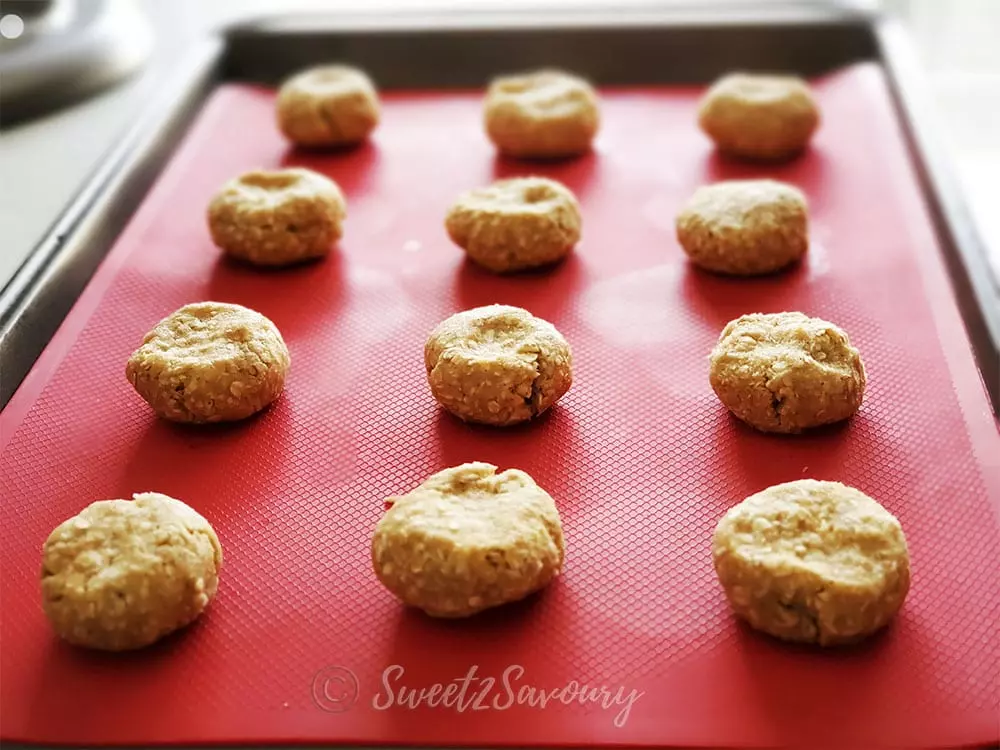
- Use a small cookie scoop (or a ⅛ measuring cup) to portion out the chilled dough. Roll the scooped dough into round balls with your hands.
- Place the dough balls onto the tray, spacing them 2 inches apart to allow room to spread. Use your index finger to press down on the tops very lightly, flattening them slightly.
- Bake one tray at a time on the middle rack for 10 minutes until the edges are lightly browned. (Ovens vary! Do not bake for more than 13 minutes if you want a chewy texture!)
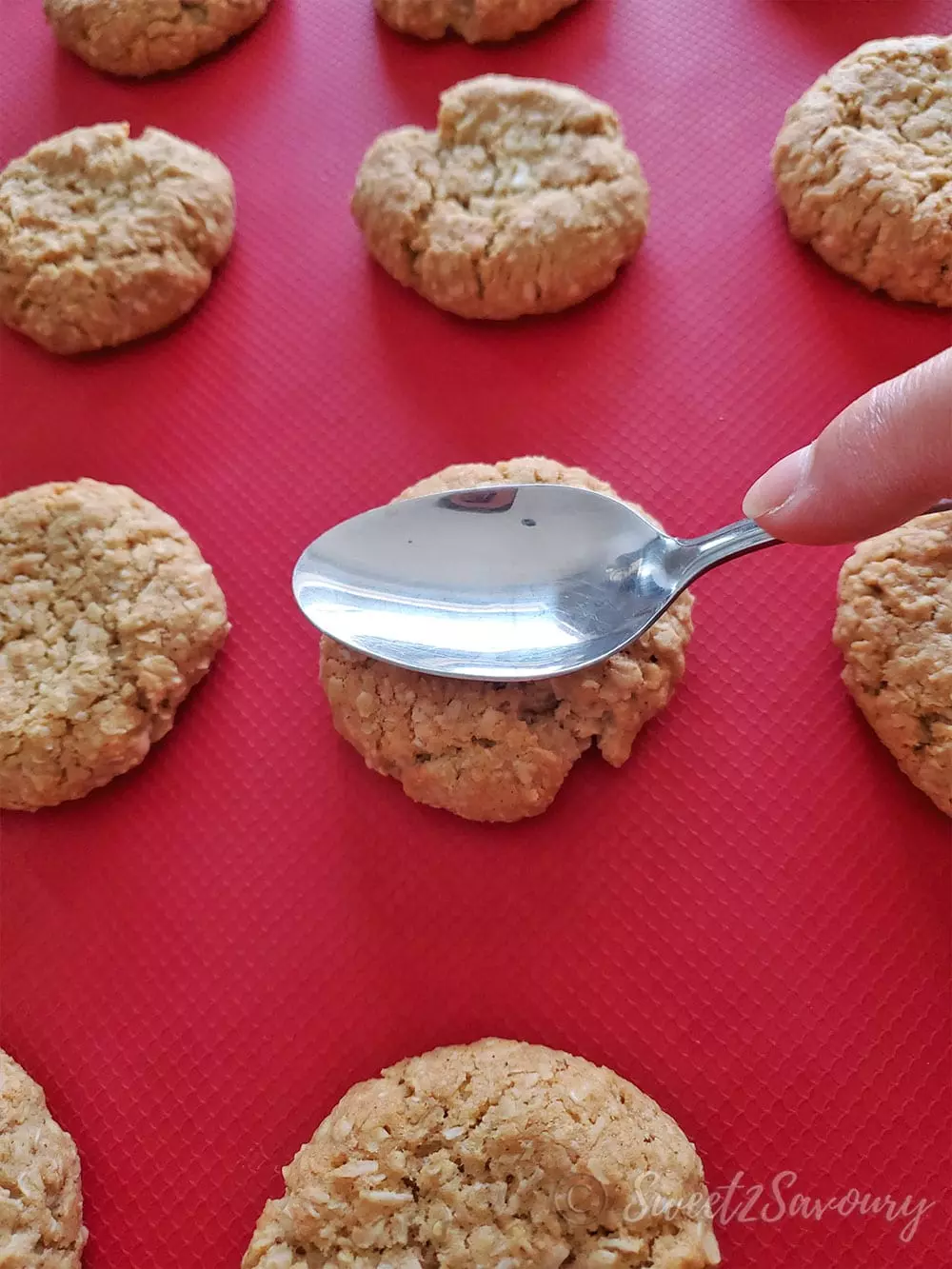
- The Pro Trick: Immediately after pulling them from the oven, use the flat back of a drinking glass or a soup spoon to gently press the hot cookies flat.
- Let them cool on the tray for 5 minutes before transferring them to a wire rack to cool completely!
💡Pro Tips for Perfect Cookies
- Why Use Room Temperature Butter? If your butter is too cold, your dough will be clumpy. If it is melted, your cookies will spread into puddles. Softened, room-temperature butter allows you to properly whip air into the dough, giving your cookies that perfect volume! (Forgot to leave your butter out? Microwave it on the “defrost” setting for 10 seconds until it feels like a ripe peach!). For more helpful tips on how to bring dairy ingredients to room temperature quickly, read my post about it here.)
- Sift the Flour: Sifting your flour breaks up clumps, filters out unrefined husks, and aerates the flour so it mixes into your butter much more easily! If you don’t own a sifter, thoroughly whisking your dry ingredients in a bowl works well.
- The “Scoop and Level” Method: If you do not own a digital food scale, you must measure your flour correctly! Use a spoon to scoop the flour into your measuring cup, then use the flat back of a butter knife to scrape off the excess. Never pack flour into the cup!
Complete the Dessert Table
Looking to bake a spread of treats for a party or a cookie exchange? Add these treats to your baking list!
- Beautiful Apple Rose Shortbread Cookies: These delicate, buttery cookies look just like gorgeous roses and require only 6 ingredients!
- Simple Blood Orange Ricotta Cake: Want something besides cookies? This bright, zesty, and incredibly moist Italian cake is the perfect addition to any dessert table.
Frequently Asked Questions
What type of coconut flakes should I use?
I highly recommend using unsweetened coconut flakes so the cookies aren’t overwhelmingly sweet. However, if you only have sweetened coconut flakes in your pantry, you can absolutely use them! Just reduce the brown sugar in the recipe by scooping out 2 Tablespoons.
How do I make sure they are chewy, not hard?
The difference between a chewy cookie and a hard cookie comes down to two things: overmixing and overbaking. Once you add the flour to the bowl, mix only until you no longer see dry white streaks. The more you mix, the more gluten develops, making the cookie dry. Second, do not bake these past 13 minutes! They will continue to cook and firm up as they cool on the hot baking tray.
Why do I need to chill the dough?
Chilling the dough solidifies the butter. When cold dough hits the hot oven, the butter takes much longer to melt, meaning the cookie doesn’t spread out as far. This results in a thick, chewy center! If you skip the chill time, the butter melts instantly, resulting in a thin, flat cookie.
Pin it for later

The Best Soft & Chewy Coconut Oatmeal Cookies
Ingredients
- ¾ cup unsalted butter softened to room temperature
- ¾ cup brown sugar packed
- 1 large egg
- 1 teaspoon rum extract or vanilla extract
- 1 cup all-purpose flour sifted
- 1 teaspoon ground cinnamon
- ½ teaspoon baking soda
- ¼ teaspoon salt
- ¾ cup unsweetened coconut flakes
- 1½ cup rolled quick oats

Equipment
Method
- Cream the Butter: In the bowl of a stand mixer fitted with a paddle attachment (or in a large bowl using a hand mixer), cream the room-temperature butter and brown sugar on medium speed for 2 to 3 minutes until well combined. Scrape down the sides of the bowl. Reduce the speed to low, add the egg and rum extract. Bring the speed back to medium and mix until the consistency is light and fluffy (about 3 to 4 minutes).
- Mix the Dough: In a separate bowl, whisk together the sifted flour, cinnamon, baking soda, and salt. Add one-third of the flour mixture to the butter in the bowl and, with the paddle attachment, mix on low speed until just combined. Then, add the next third of the flour and repeat the process. Continue this until all the flour is incorporated. Be careful not to overmix, as this can make your cookies tough. Use a spatula to scrape down the sides of the bowl to ensure everything is mixed evenly. Now, add the coconut flakes and quick oats to the dough, mixing on low speed. Mix only until combined. The dough will be very thick.
- Chill the Dough: Remove the dough from the bowl, cover it tightly with plastic wrap, and refrigerate for 1 hour to firm the butter. (If you prefer thinner, crispier cookies, you can skip this step!).
- Scoop the Cookies: Preheat the oven to 350°F (177°C). Line 2 baking sheets with parchment paper. Remove the dough from the refrigerator and scoop it using a small cookie scoop or a ⅛ measuring cup. Roll the scooped dough into round balls with your hands. Place the dough balls onto the tray, spacing them 2 inches apart to leave room to spread. Press lightly on the top of each ball with your index finger to slightly flatten them.
- Bake and Flatten: Bake 1 tray at a time on the middle oven rack for 10 minutes until the cookies are lightly browned. (Oven temperatures vary; adjust bake time by 2 or 3 minutes if needed, but do not exceed 13 minutes for a chewy texture!) Immediately upon removing from the oven, gently flatten each hot cookie with the flat back of a drinking glass or a soup spoon.
- Cool: Let the cookies cool on the baking tray for 5 minutes to set, then transfer them to a wire rack with a flat spatula to cool completely!




Wow cocoliscious!! I love coconut and I love oatmeal cookies. What a great idea to combine the two. The cookies turned out amazing. Thank you for all the helpful tips.
Thank you! Glad you enjoyed my recipe!